
Asthma and it’s Top 7 Homeopathic Medicines
What is Asthma?
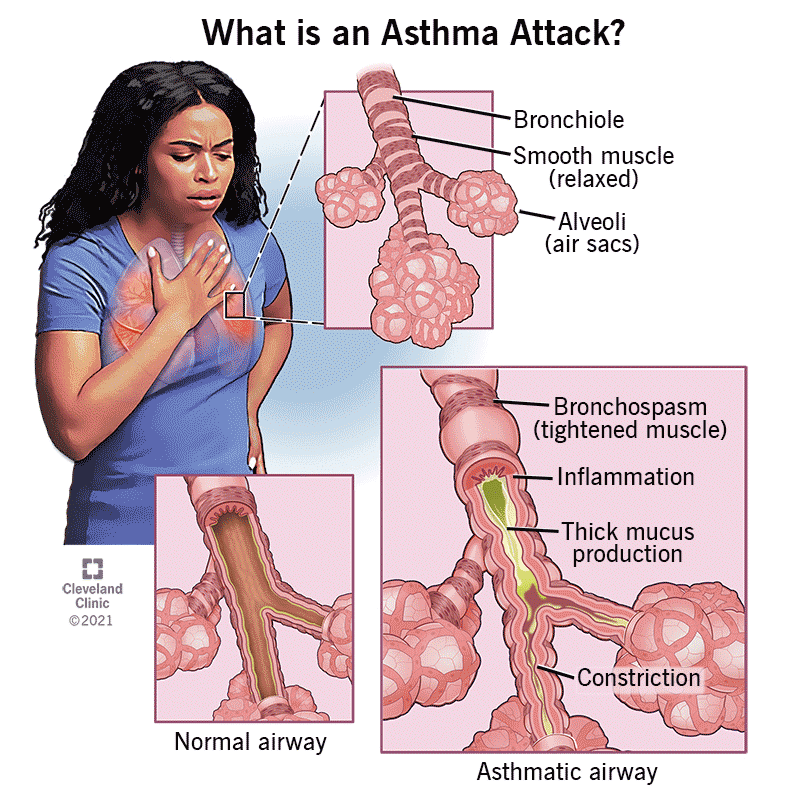
Homeopathic medicine for asthma is commonly explored as a complementary, natural approach to support respiratory health alongside conventional treatment. Asthma is a chronic inflammatory disease that affects the airways in the lungs and is characterized by periodic attacks of breathing difficulties, which can range from mild to severe.
The main underlying issue in asthma is inflammation of the bronchial tubes, which can be triggered by various factors such as allergens, respiratory infections, cold air, physical activity, and even stress. When exposed to these triggers, the immune system responds by releasing chemicals that lead to swelling of the airways, increased mucus production, and muscle tightening around the air passages. As a result, individuals may experience common symptoms such as wheezing, coughing, shortness of breath, and a sensation of chest tightness.
Understanding asthma is crucial for effective management and treatment. By recognizing the triggers and symptoms, individuals can take proactive measures to reduce the frequency and severity of asthma attacks. Monitoring symptoms and maintaining open communication with healthcare providers can lead to a more tailored treatment plan. For many, this involves the use of inhalers or other medications to manage inflammation and improve airflow.
Ultimately, a comprehensive understanding of asthma not only aids in recognizing the signs but also empowers individuals to lead a healthier lifestyle while minimizing the impact of this chronic condition. Education and awareness are key components in ensuring that those affected by asthma can navigate their daily lives with greater ease and confidence.
Types of Asthma
Asthma is a multifaceted respiratory condition characterized by inflammation and constriction of the airways. This condition can be broadly categorized into several types, each with distinct triggers, symptoms, and effects on patients. Understanding these types can help in managing asthma effectively.
Allergic Asthma is the most common type, often triggered by allergens such as pollen, mold, pet dander, and dust mites. Individuals with allergic asthma may experience symptoms such as wheezing, coughing, and shortness of breath when exposed to these allergens. This type is frequently associated with other allergic conditions, including hay fever and eczema.
Non-allergic Asthma does not result from allergens but from other factors like stress, weather changes, or respiratory infections. Symptoms can present similarly to allergic asthma, yet they may occur without the presence of common allergens, making it crucial for patients to identify their personal triggers.
Exercise-induced Asthma, as the name suggests, is triggered by physical exertion, particularly during vigorous activities. Symptoms typically arise during or after exercise and may include tightness in the chest and difficulty breathing. It is important for individuals to warm up adequately and consider using preventive medications when engaging in physical activities.
Nocturnal Asthma refers to symptoms that worsen at night, disrupting sleep and potentially leading to heightened daytime fatigue. This type can be triggered by allergens in the bedroom or other factors, underscoring the need for a conducive sleeping environment.
Occupational Asthma arises from exposure to specific irritants or allergens in the workplace. This type can develop after prolonged exposure and may lead to chronic symptoms if not addressed promptly. Workers in industries such as farming, manufacturing, and healthcare are particularly at risk.
In summary, recognizing the different types of asthma is essential for effective management. By identifying specific triggers and symptoms associated with each type, individuals can personalize their treatment and improve their quality of life.
Common Triggers of Asthma
Asthma is a chronic respiratory condition that can vary in its intensity and frequency of symptoms. One of the keys to managing asthma is recognizing and avoiding triggers that can exacerbate the condition. Allergens are a primary category of triggers; they include substances like pollen from trees, grasses, and weeds, mold spores, pet dander, and dust mites. These allergens can cause significant inflammation in the airways, leading to asthma attacks.
Another group of common triggers consists of irritants that can provoke asthma symptoms. Tobacco smoke, strong fragrances, and even culinary smoke can irritate the respiratory system. Individuals with asthma are often more sensitive to strong scents and fumes, which can result in wheezing, coughing, or shortness of breath. Additionally, volatile organic compounds (VOCs) found in some cleaning products and paints can also act as irritants.
Respiratory infections such as the common cold or flu are well-known catalysts for worsening asthma symptoms. Viral infections can lead to inflammation and increased mucus production, aggravating existing asthma conditions. This is why those with asthma are often encouraged to maintain a healthy immune system and seek early treatment when experiencing symptoms of respiratory infections.
Furthermore, physical activity can also act as a trigger for some individuals, particularly if it occurs in cold, dry air. Exercise-induced bronchoconstriction is a common phenomenon among asthma sufferers, necessitating proper management strategies. Weather changes, such as sudden temperature fluctuations or high humidity levels, can also precipitate symptoms, as they may affect the air quality.
Understanding these various triggers is vital for asthma patients in managing their condition effectively. By identifying and minimizing exposure to these triggers, individuals can help control their symptoms and maintain a better quality of life.
Symptoms of Asthma
Asthma is a chronic respiratory condition that manifests through a variety of symptoms, which can differ significantly in intensity and frequency among individuals. The symptoms of asthma typically include wheezing, shortness of breath, chest tightness, and frequent coughing, particularly during the night or early morning. Understanding these symptoms is crucial, as they can sometimes indicate a worsening of asthma control.
Symptoms may present in two distinct forms: sporadic and persistent. Sporadic symptoms occur occasionally and are often triggered by specific irritants or allergens, such as pollen, dust mites, or smoke. These instances may lead to temporary discomfort, typically lasting for a short duration. In contrast, persistent symptoms arise more consistently and may require ongoing management. Individuals with persistent asthma may experience daily coughing, frequent episodes of wheezing, and prolonged periods of shortness of breath, severely impacting their quality of life and daily activities.
Another key aspect to understand is that symptoms can worsen during certain circumstances. For instance, exercise can lead to exercise-induced bronchoconstriction, where the airways become constricted during or after physical activity, resulting in coughing and difficulty breathing. Additionally, many asthma sufferers report that their symptoms exacerbate at night, commonly referred to as nocturnal asthma, leading to disrupted sleep patterns.
Recognizing and monitoring the symptoms of asthma is vital for effective management of the condition. Awareness of when symptoms occur, how often they arise, and their severity can assist in identifying appropriate homeopathic remedies and better strategies for control.
Diagnosis of Asthma
Diagnosing asthma involves a comprehensive approach that begins with a detailed medical history and physical examination. This initial assessment helps healthcare professionals understand the patient’s symptoms, frequency of occurrences, triggers, and family background regarding respiratory illnesses. It is essential to gather this information, as it lays the groundwork for subsequent diagnostic steps.
Once the history is taken, a healthcare provider typically conducts a physical examination to look for signs associated with asthma, such as wheezing or prolonged expiration. The clinician may also examine the patient’s respiratory system, noting any usage of accessory muscles, which can indicate an exacerbation of symptoms.
One of the primary tests used in diagnosing asthma is spirometry. This test measures how much air the patient can exhale after taking a deep breath and how quickly they can do so. The results from spirometry can help distinguish asthma from other respiratory conditions. A reduced forced expiratory volume (FEV1) suggests a possible obstruction in airflow, characteristic of asthma.
Another valuable tool in asthma diagnosis is peak flow measurement. This test gauges how well air moves out of the lungs and can assist in monitoring asthma control. Patients may be asked to take readings at various times to identify patterns that indicate worsening symptoms or triggers.
In conjunction with these tests, healthcare providers may utilize additional assessments, such as bronchoprovocation tests, which involve measuring airway responsiveness to various stimuli. Accurate diagnosis of asthma is vital, as it directly influences the treatment and management strategies tailored to each individual. Effective identification of asthma allows for appropriate homeopathic remedies and lifestyle modifications that can help mitigate symptoms and enhance overall respiratory health.
Management and Treatment of Asthma with Homeopathic Medicine for Asthma
The management of asthma requires a comprehensive approach, integrating both pharmacological and non-pharmacological strategies to ensure effective treatment and control of symptoms. Pharmacological management typically involves the use of inhalers and medications aimed at relieving symptoms and preventing asthma attacks. For instance, bronchodilators are widely prescribed to open airways during an asthma attack, while corticosteroids reduce inflammation in the airways. Patients may utilize quick-relief inhalers for acute symptoms and long-term control medications to maintain overall asthma management.
Additionally, a tailored asthma action plan is essential for individuals, outlining specific steps to take based on symptom severity. This personalized plan helps patients recognize warning signs and determine the appropriate response, including when to use medications and when to seek medical help.
Non-pharmacological approaches play a crucial role in the management of asthma and often include lifestyle changes and education. Patients are encouraged to identify and avoid triggers, such as allergens and respiratory irritants, to mitigate the risk of exacerbations. Regular physical activity is recommended, although it should be approached with caution, especially for individuals with exercise-induced asthma. Furthermore, maintaining a healthy weight and avoiding smoking can significantly benefit overall lung health.
Education is another pillar of asthma management. Patients, along with their caregivers, should be well-informed about their condition, medication usage, and emergency procedures. This knowledge empowers them to manage their asthma effectively, improving quality of life and reducing health risks. Physicians and healthcare providers can facilitate this education through regular check-ups and discussions regarding symptom tracking and management strategies.
In conclusion, a comprehensive management strategy for asthma, involving both pharmacological and non-pharmacological treatments, is essential for optimal control of the condition. By creating a personalized asthma action plan and emphasizing education and lifestyle modifications, individuals can effectively navigate their asthma management journey.
Homeopathic Medicine for Asthma: Natural Treatment Approach
Homeopathic medicine for asthma is increasingly explored as a natural, holistic approach to support respiratory health and complement conventional asthma management. Asthma is a chronic inflammatory disease that affects the airways in the lungs and is characterized by periodic attacks of breathing difficulties, which can range from mild to severe. During an asthma episode, the airways become inflamed and narrow, leading to reduced airflow and discomfort in breathing.
Homeopathy offers a unique and holistic approach to health and wellness, particularly in the treatment of chronic conditions like asthma. Asthma is typically characterized by episodes of wheezing, coughing, chest tightness, and difficulty breathing, which can greatly impact an individual’s quality of life. Homeopathy, emphasizing individualized care, seeks to personalize treatments based on the patient’s specific symptoms and underlying causes rather than simply addressing the outward manifestations of the condition.
From the homeopathic perspective, asthma is not merely an isolated disease but often seen as a reflection of a deeper imbalance within the individual’s overall health. Homeopaths believe that by treating a person’s constitution—considering their physical, emotional, and psychosocial circumstances—lasting relief from asthma symptoms can be achieved. This methodology promotes healing by facilitating the body’s natural recovery process, thereby potentially reducing the frequency and severity of asthma attacks.
Homeopathy utilizes a variety of natural remedies that are selected based on a comprehensive assessment of the patient’s individual characteristics. This includes their medical history, lifestyle, and emotional state. The logic behind selecting these remedies lies in the homeopathic principle of treating “like with like,” whereby a substance that causes symptoms in a healthy person can be used in a highly diluted form to address similar symptoms when they arise in someone who is ill.
Overall, homeopathy aims to empower individuals suffering from asthma by providing customized treatment plans designed to manage their condition effectively and improve their overall well-being. In doing so, it fosters a sense of autonomy and agency in health management, which is often crucial for chronic illness sufferers.
Top 7 Homeopathic Medicine for Asthma: Best Natural Remedies
Homeopathy offers a variety of remedies that may provide relief for individuals suffering from asthma. The following are seven of the most commonly recommended homeopathic medicines for asthma treatment, each with unique sources and indications.
1. Arsenicum Album: Derived from arsenic trioxide, this remedy is often indicated for patients who experience severe anxiety alongside asthma symptoms. Common indications include wheezing and labored breathing, especially at night. It works by alleviating fear and restoring respiratory ease.
2. Bromium: Sourced from bromine, this remedy is beneficial for individuals with a history of respiratory infections. Symptoms such as a tight chest and a rattling cough may indicate suitability for Bromium. The remedy functions to relax the bronchial muscles, reducing constriction.
3. Ipecacuanha: This remedy, derived from the ipecac root, is typically recommended for those who experience persistent coughing along with asthma. The indications often include a sensation of constriction in the throat and difficulty breathing. Ipecacuanha helps to clear mucus and ease bronchial irritation.
4. Natrum Sulphuricum: This remedy comes from sodium sulfate and is especially useful for individuals whose symptoms worsen in humid weather. It is indicated for asthma with an associated history of allergies and respiratory conditions. Natrum Sulphuricum works by promoting drainage in the lungs.
5. Phosphorus: Derived from the element phosphorus, this remedy addresses individuals with a dry cough and sensitivity to changes in temperature. It is known for its supportive role in alleviating respiratory distress, facilitating easier breathing.
6. Silicea: Sourced from silicon dioxide, Silicea may be effective for patients with weak immune systems. The remedy is indicated for asthma in conjunction with recurrent colds or flu. It functions to strengthen the body’s defenses and enhance overall respiratory health.
7. Spongia Tosta: This remedy, derived from roasted sponge, is typically prescribed for dry, croupy coughs. Indications include a harsh, barking cough along with wheezing. Spongia Tosta is particularly effective in soothing irritation in the throat and opening air passages.
Many patients explore homeopathic medicine for asthma as a complementary approach alongside conventional treatment to improve breathing comfort. It is essential to consult a qualified homeopathic practitioner before beginning any of these treatments. Professional guidance can ensure the appropriate remedy is selected based on individual symptoms and overall health conditions, allowing for effective management of asthma.
Conclusion and Final Thoughts
In summarizing the discussion on asthma, it is evident that understanding the various types and manifestations of this respiratory condition is crucial for effective management. Asthma is a complex ailment that can significantly impact an individual’s quality of life. Proper education about the symptoms and triggers is essential for early recognition and intervention. Throughout the blog, we have delved into seven homeopathic remedies that may offer relief, highlighting the diverse approaches available for individuals seeking alternative options for care.
Homeopathy focuses on treating the individual holistically, taking into consideration the physical, emotional, and environmental factors contributing to a person’s asthma. While these remedies may not replace conventional treatments, they can serve as complementary options that enhance overall well-being. However, it is vital for asthma patients to consult healthcare professionals before initiating any new treatment plan. A personalized approach developed in collaboration with a knowledgeable provider ensures the safest and most effective management of the condition.
Moreover, the significance of proactive health management cannot be overstated. Individuals with asthma should engage in regular follow-up consultations, adhere to prescribed medications, and remain informed about lifestyle strategies that can minimize the frequency and severity of asthma attacks. By fostering a comprehensive understanding of asthma and considering all available treatment options, including homeopathic remedies, patients can empower themselves to lead healthier, more active lives.
When guided by a qualified practitioner, homeopathic medicine for asthma may serve as a supportive therapy in a comprehensive asthma management plan.
Leave a comment